Facebook Marketplace Car Scam Buyer and Seller Tips USA
 Published: October 2026 | ⏱ Reading Time: ~21 Minutes | 🗂 Category: DIGITAL WORLD |
 For: Car buyers and sellers in the USA
Imagine you’re scrolling Facebook Marketplace on a Sunday night in Phoenix, Arizona. A 2018 SUV shows up for $9,500, one owner, “must sell, moving overseas.” You send a message. Ten minutes later someone wants a $500 deposit to “hold it,” and nobody has seen the car. That scene is made up, but the pattern behind it is very real.
Consumers reported losing $15.9 billion to fraud in 2025 across 3 million reports, according to FTC testimony to Congress in April 2026. The FTC says that’s only a slice, since most victims never report. Cars make a big target because the price tag is big. Cox Automotive put the average used-vehicle listing price at $27,239 in August 2026.
Marketplace adds its own limits. Facebook’s Help Center page on Purchase Protection lists vehicles as not covered, and it also leaves out local pickups and peer-to-peer payments like Venmo. So if you hand over money in a parking lot in Houston or Atlanta, nobody at Facebook makes you whole. This guide is for first-time buyers, parents shopping for a teenager’s first car, and anyone selling the old sedan in the driveway. It works in all 50 states, and we flag where Texas, California and Ohio differ.

You’ll get nine scams, the real US cases behind them, dollar costs for each safety step and a printable checklist. It covers the Facebook Marketplace car scam patterns that police, the FTC, the FBI and state agencies have publicly warned about, including car scams on Facebook Marketplace that hit sellers.
Let’s get into it.
📋 Table of Contents
- Why Marketplace Draws Car Buyers and Sellers
- Scam 1: Fake Listings and the Deposit Trap
- Scam 2: Cloned Dealership Websites
- Scam 3: Overpayment and Fake Checks
- Scam 4: Fake Payment Proof and Fake Escrow
- Scam 5: Hidden Liens and Repossession
- Scam 6: Stolen Cars and Forged Titles
- Scam 7: Curbstoners and Open Titles
- Scam 8: Odometer Rollbacks and Flood Cars
- Scam 9: Meetup and Test Drive Risks
- What Staying Safe Costs
- US Rules and Paperwork by State
- Risk and Loss Comparison
- Where to Buy or Sell More Safely
- How to Get Started: Step by Step
- Real Stories
- Red Flags and Mistakes to Avoid
- Free and Paid Tools
- Quick Reference Checklist
- Frequently Asked Questions (FAQ)
- Final Thought
Why Marketplace Draws Car Buyers and Sellers in the USA
Marketplace works because it’s local, quick and personal. You can message the owner, ask about oil changes and see the car in your own zip code, and you skip dealership add-ons and trade-in haggling. That’s the good part.
The catch is that it’s a classifieds board, not a store. There’s no seller vetting and no buyer protection on vehicles, so every safety step lands on you. Used car scams on Facebook Marketplace work because they copy a normal deal almost perfectly, then twist one detail, usually the payment or the paperwork.
Prices help scammers too. Wholesale values slipped 1% in early September 2026, per Cox Automotive’s Manheim index, so nothing in the market explains an SUV listed at half of what similar ones cost.
- ✅ Local inspection. You can see and drive the car close to home.
- ✅ Direct answers. The owner can share service records.
- ✅ Room to negotiate. A private seller has no dealership overhead.
- ✅ Fewer add-ons. You still pay state tax and title fees, but not dealer extras.
- ✅ Profile clues. Profile age and past sales give you something to check.
- ✅ Simple for sellers. You deal with one buyer instead of waiting on a dealer’s appraisal.
| Feature | Marketplace private seller | Licensed dealer | Escrow-protected sale |
|---|---|---|---|
| Platform protection on the car | ❌ None for vehicles | ⭐⭐⭐ Buyers Guide required | ⭐⭐⭐⭐ Funds held until acceptance |
| Warranty | ❌ Usually none (FTC) | ⭐⭐⭐ On the Buyers Guide, or “as is” | ⭐⭐ Depends on seller |
| Paperwork | You file the title | Dealer usually files | You file, after release |
| Price flexibility | ✅ Often negotiable | ⭐⭐ Fees possible | ✅ Agreed price plus escrow fee |
| Scam exposure | ❌ Higher | ⭐⭐ Lower, but cloned sites exist | ⭐⭐⭐⭐ Lower, if you pick the site |
Scam 1: Fake Listings and the Deposit Trap
This is the classic. A scammer posts a car they don’t own, with photos lifted from somewhere else. The FBI’s Internet Crime Complaint Center warning on fraudulent online vehicle sales says criminals advertise vehicles they never possessed, then explain why you can’t see them: a divorce settlement, a relative who died, a military move. Buyers are told to pay with prepaid gift cards, and the car never shows up.
Fake car ads on Facebook Marketplace still work. In July 2026, police in Fruita, Colorado, said one victim lost more than $30,000 after talking only by text and paying for a vehicle that never arrived. The officer said many victims sense something is off but push ahead because scammers pile on pressure. Car buying scams on Facebook Marketplace lean on emotion for the same reason. So slow down. A real car will still be there after a phone call and a VIN check.
What Are the Warning Signs of a Fake Car Ad?
| Red flag | What it often means | What to do |
|---|---|---|
| Price far below similar cars | Bait for a deposit | Compare several listings |
| Seller can’t meet (deployment, divorce, “just moved”) | The car may not exist | Insist on seeing car and title |
| Gift cards, wires, crypto, bar codes | Payment you can’t recover | Never pay this way |
| Same photos or contacts in several cities | Copied ad | Run a reverse image search |
- Run the photos through a reverse image search, such as free Google Lens.
- Ask for the VIN and plate number in writing.
- Ask for a video walk-around with today’s date on paper in frame.
- Search the seller’s name, phone and email with “scam” or “complaint,” as the FTC suggests.
- Check how old the profile is and how many cars it lists.
What About Motorcycles, Boats and RVs?
The FBI warning covers cars, RVs, boats and outdoor equipment, so the same script shows up in Facebook Marketplace motorcycle scams and in boat scams on Facebook Marketplace. Shopping in Tampa, Florida, or Austin, Texas? See it, check the ID numbers, and pay only when you hold the title.
Scam 2: Cloned Dealership Websites
In September 2026 the FTC warned that scammers are cloning real dealership websites, sometimes with AI, copying logos, listings, photos and even testimonials. The goal is an upfront payment for a car that doesn’t exist. Victims arrive to pick up a vehicle and find a dealership with no record of them.
Facebook Marketplace dealership scams often start with a listing that sends you off-platform to one of these sites. The site may promise shipping and a generous return policy, and all of that is cheap to fake. The FTC says a refusal to let you see the car and dealership in person is a warning sign.
How Do You Confirm a Dealer Is Real?
| Check | How to do it | Cost |
|---|---|---|
| Search the name plus “scam” or “complaint” | Read past the first page | Free |
| Call a number you found yourself | Skip the ad’s number | Free |
| Look up the dealer license | Use your state’s licensing agency | Free |
| Match the VIN | Compare ad, photos and a history report | About $3 to $10 |
| Get the out-the-door price in writing | Before any deposit | Free |
- A real dealer lets you or your mechanic inspect the car.
- It shows the Buyers Guide. The FTC says dealers must post one on every used car, online sales included.
- It accepts traceable payment and doesn’t invent a deadline.
Scam 3: Overpayment and Fake Checks
Facebook Marketplace car selling scams often start with a buyer who is almost too easy. They accept your price, say they can’t come see the car, and promise a deposit. Then a check arrives for more than you expected, and they ask you to send the extra back. The FTC’s consumer alert on fake check scams aimed at car sellers explains that the check is fake, so once you return real money, both the buyer and your cash are gone.
Tennessee’s Department of Commerce and Insurance reported an uptick in a harder version in March 2026. Sellers agreed on a price, sometimes even called their own bank, then received a phony wire transfer or fake cashier’s check and handed over the car. A call to the bank beforehand isn’t proof. Only funds fully cleared in your account are.
Which Payment Methods Are Safe When You Sell a Car?
| Payment method | Main risk | Verdict |
|---|---|---|
| Cash counted by a bank teller | Counterfeit bills | ✅ Safest in person |
| Cashier’s check verified in person at the issuing bank | Forgery if you skip it | ⭐⭐⭐ Good |
| Check handed over or mailed, unverified | Fake or altered check | ❌ Don’t accept |
| Wire, Zelle or Venmo | Fake “payment sent” screenshots | ⭐⭐ Only once funds show in your account |
| Gift cards, crypto, bar codes | Nearly unrecoverable | ❌ Never |
| Escrow you choose yourself | Fee of roughly 1% to 3% | ⭐⭐⭐⭐ Strong for distance |
- Never accept a check for more than the price, and never send money back.
- Meet at the buyer’s bank during business hours and have the teller verify the check before you sign the title.
- If you call a bank, look up the number yourself rather than using the one on the check.
- Keep the keys and title until the money is in your account.
Scam 4: Fake Payment Proof and Fake Escrow
Some scammers fake the proof of payment instead. You get an email that looks like it came from PayPal, eBay Motors or an “escrow agent,” saying the money is waiting. An FBI field office warned years ago that fraudsters claim a link to a trusted company and send invoices that falsify payment. Another twist is the “mover” who will pick up the car once the check clears. It’s the same non-local excuse the FTC flags in its fake check alert.
| What they send | Why it’s a trap | How to check |
|---|---|---|
| “Payment sent” email or screenshot | Easy to fake | Open your own bank app |
| Escrow link from the other person | Lookalike site | Choose the service and type the address yourself |
| Agent or mover pickup | You never meet the buyer | Release the car only to the verified buyer |
Real escrow is great for out-of-town deals: the service holds the buyer’s money, the buyer gets an inspection window, then funds go to you. Fees vary, and Escrow.com’s own pages show different rates, so confirm the current schedule first.
- Pick the escrow company yourself, never one the other person suggests.
- Agree in writing on the inspection period and who pays the fee.
- Hand over the car only after the service confirms funds are held.
Scam 5: Hidden Liens and Repossession
This scam doesn’t need a fake car. The car is real, the seller shows up, and you drive away happy. Then a lender takes it back. A sheriff’s office in Ontario County, New York, issued an alert in early 2026 about a buyer who had a car delivered in December. Deputies found it hadn’t been stolen. It had been repossessed because the seller’s loan was never paid off, and the buyer lost both car and cash.
A lien means a lender still has a claim on the car. If the title lists a lienholder, you need a release from that lender. Texas county tax offices say the same, and the New York investigators stressed confirming the title is clear before any deal closes.
What Should You Check on the Title Itself?
| What you see | What it may mean | What to do |
|---|---|---|
| Lienholder, no release | Loan still owed | Pay at the lender’s branch and get a written release |
| Seller’s name differs from the title | Title jumping | Walk away |
| Erasures or changes | Altered title (Ohio guidance says these void an assignment) | Walk away |
| “Salvage,” “rebuilt” or “flood” | Prior total loss | Get a history report and inspection |
If the seller still owes money, meet at the lender’s branch or use escrow so the payoff comes first. It takes longer. But a day of paperwork beats losing $10,000 or more.
Scam 6: Stolen Cars and Forged Titles
Stolen cars get sold with paperwork that looks perfect. In Cranston, Rhode Island, a Providence woman reported buying a car in May 2026 and spending more than $10,000 in total, repairs included. In August police stopped the car, took it, and ruled the title fake. The real owner, a Massachusetts truck driver, had reported it stolen after months on the road. Cranston police advise buyers to ask the local department for a VIN check and register the car with the DMV before paying.
Police in El Monte, California, described a ring that rented cars, forged paperwork, sold them on Marketplace, then used a second key to take them back. Their warning: if you don’t get two keys, that’s a red flag. In Kansas City, Missouri, police said eight buyers reported their newly bought cars stolen within a few months of 2025.
Two checks help. The Justice Department’s list of approved NMVTIS vehicle history providers shows where to buy a title, brand and odometer report, though NMVTIS has no repair histories. NICB’s free VINCheck searches theft and salvage records from participating insurers, five searches per 24 hours per IP address. NICB says it isn’t a full history report.
Which Checks Catch a Stolen Car or Fake Title?
| Check | What it finds | Cost |
|---|---|---|
| NICB VINCheck | Theft, salvage and flood records from participating insurers | Free |
| NMVTIS report | Title, brand, odometer, total loss data | About $3 to $10 (2026 provider pages) |
| VIN match in three places | Dashboard, door jamb and title should agree | Free |
| Ask for both keys | A missing key can signal a rental scheme | Free |
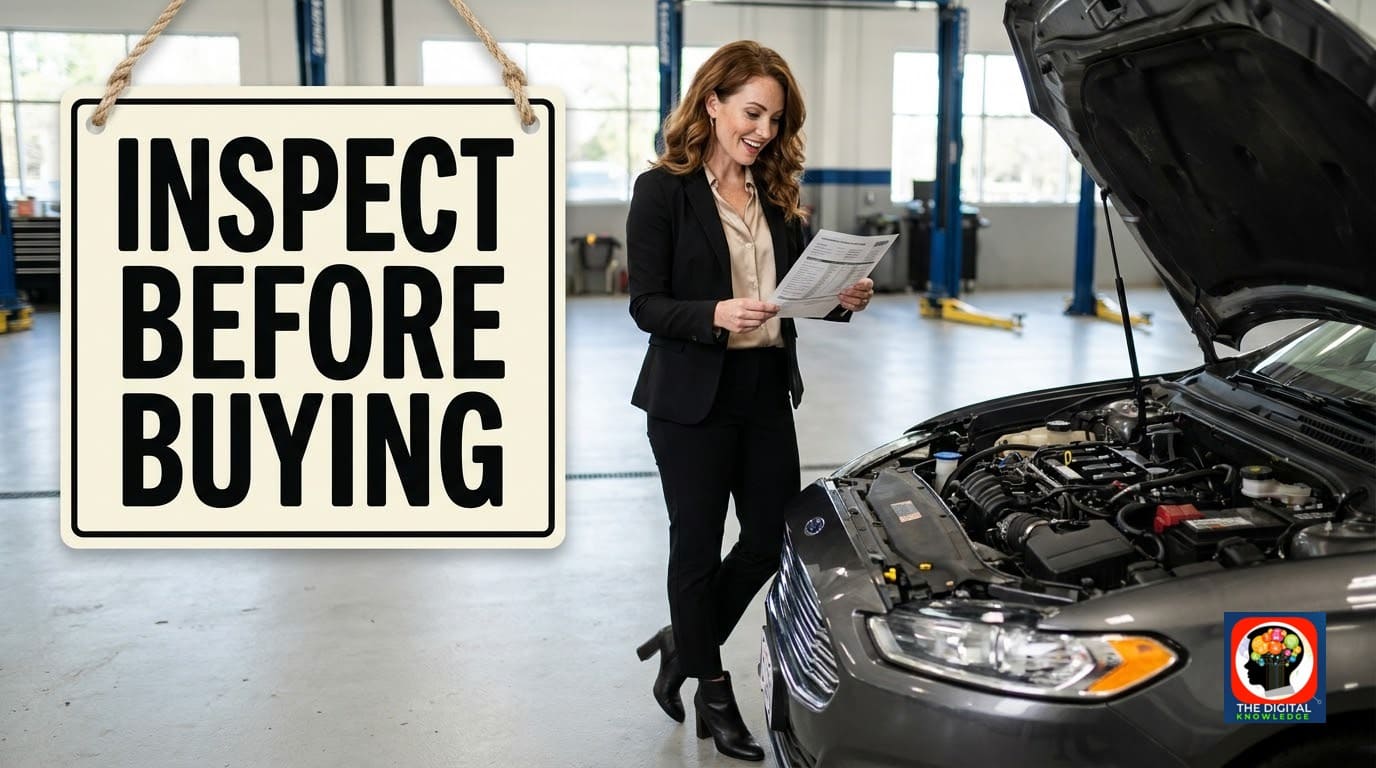
Scam 7: Curbstoners and Open Titles
A curbstoner is an unlicensed dealer posing as a private seller. The Minnesota Attorney General’s office says they buy and sell used vehicles in volume without the proper license, may not hold title themselves, and sometimes roll back odometers or sell wrecked or stolen cars without warning. In Minnesota the law generally bars selling used vehicles as a business without a dealer license, and other states have similar rules.
The paperwork gives them away. An “open title” is signed by the previous owner with the buyer line left blank, so the car changes hands without being registered. That’s title jumping, and it’s illegal. It can happen in any city, from Minneapolis, Minnesota, to Nashville, Tennessee.
How Do You Tell a Curbstoner From a Real Private Seller?
| Sign | Why it matters | What to do |
|---|---|---|
| Several cars listed by one seller | Possible unlicensed business | Ask how long they’ve owned each |
| Title in someone else’s name | Title jumping | Deal only with the named owner |
| Title signed, buyer line blank | Open title | Walk away |
- Ask directly: “Do you own this car, and for how long?”
- Compare the title and a photo ID side by side.
- Report suspected unlicensed dealers to your state DMV or attorney general.
Scam 8: Odometer Rollbacks and Flood Cars
Sometimes the car is real, the title is real and the history is hidden. An older NHTSA study estimated about 452,000 odometer fraud cases a year in the US, costing buyers around $1.06 billion annually and $2,336 per case. That study is dated and other sources quote bigger totals, so treat the numbers as a range. Federal law requires mileage disclosure when most vehicles are sold.
Damage is the other half. NICB built VINCheck after Hurricane Katrina flooded several hundred thousand vehicles, so buyers in Houston, Texas, and Tampa, Florida, have good reason to check any car with a storm-country history. Once a state brands a title, the brand stays in the NMVTIS record, which is why a history report matters.
What Should You Check Before You Pay?
| Check | What it finds | Cost |
|---|---|---|
| Title, dash and service-record mileage | Odometer mismatch | Free |
| NICB VINCheck | Insurer-reported salvage, flood, theft | Free |
| NMVTIS report | Brands, odometer, total loss | About $3 to $10 |
| Pre-purchase inspection | Mechanical, frame and flood signs | $100 to $250 shop, $150 to $300 mobile |
The FTC says a history report is not a substitute for an independent inspection. If a seller refuses one, that’s your answer.
Scam 9: Meetup and Test Drive Risks
Some people want your car or your safety, not a transfer. A military provost marshal advisory has long warned that private sales mean riding with strangers and that sellers shouldn’t let the car out of sight. Facebook Marketplace fake car buyers can seem polite and prepared. Some ask for a solo test drive and drive away.
A safe exchange zone helps. Columbus, Ohio, set up five monitored Internet Purchase Exchange Zones at police substations with city-owned cameras. Sacramento’s police department offers zones in its station lots. Other departments caution that cameras aren’t watched live and a zone isn’t a guarantee. Still, a buyer who refuses a police station is telling you something.
Where Should You Meet to Buy or Sell a Car?
| Meeting place | Pros | Cons |
|---|---|---|
| Police exchange zone | ✅ Cameras, lighting | Not in every city |
| Bank lot or lobby, in hours | ✅ Funds verified on the spot | Closed at night |
| Busy store lot | ⭐⭐ Foot traffic | Cameras vary |
| Your home | ❌ Reveals your address | Avoid with strangers |
- Ride along on every test drive and keep the keys until you’ve seen the buyer’s license.
- Photograph the license and plate and text them to a friend.
- Meet in daylight with a second adult.
What Staying Safe Costs in the USA
Safety costs less than most people expect. On a $10,000 car, a history report, an inspection and escrow come to roughly $385 to $450 by our estimate, under 5% of the price. Vehicle scams on Facebook Marketplace usually cost the whole price.
| Safety step | Typical cost | Notes |
|---|---|---|
| NICB VINCheck | Free | Five searches per 24 hours |
| NMVTIS report | About $3 to $10 | Confirm on the provider’s page |
| Pre-purchase inspection | $100 to $250 shop, $150 to $300 mobile | Ask for a written report |
| Escrow | About $175 to $240 on $10,000 | Two Escrow.com schedules disagree |
| Texas motor vehicle tax | 6.25% (about $625 on $10,000) | Buyer pays, on price or state value |
US Rules and Paperwork by State
There’s no national title process. Each state runs its own. Federally, the FTC’s Used Car Rule requires dealers to post a Buyers Guide, but private sellers generally aren’t covered and private sales usually carry no implied warranty.
Texas shows why details matter. TxDMV’s guide to buying or selling a vehicle says buyers must title the car within 30 days, and sellers who file the free Vehicle Transfer Notification in that window can’t be held responsible for the new owner’s tolls and tickets. Late titling brings penalties that start at $25, per the Orange County, Texas, tax office.
| State | Buyer | Seller |
|---|---|---|
| Texas (Austin, Houston) | Titles within 30 days at the county tax office, pays 6.25% tax | Signs the title, files the Vehicle Transfer Notification within 30 days |
| California (Sacramento, Los Angeles) | Transfers title within 10 days | Provides a smog certificate for most vehicles over 4 model years old, files a release of liability within 5 days |
| Ohio (Columbus) | Takes the notarized title to a county Clerk of Courts | Signature on the title must be notarized |
| Georgia, Florida, Arizona, Colorado | Rules differ | Check your state DMV |
Realistic Risk and Loss Comparison
Loss figures come from the cases above. Anything else is our estimate, not a market statistic.
| # | Scam | Hits | Typical exposure | Noticed |
|---|---|---|---|---|
| 1 | Fake listing | Buyers | $30,000+ in the Fruita case | Days |
| 2 | Cloned dealer site | Buyers | Upfront payment (estimate: full price) | Days |
| 3 | Fake check | Sellers | Car plus any refund (estimate) | Days |
| 4 | Fake proof or escrow | Both | Car or payment (estimate) | Hours to days |
| 5 | Hidden lien | Buyers | Full price on repossession | Weeks |
| 6 | Stolen car | Buyers | $10,000+ in the Cranston case | Weeks |
| 7 | Curbstoner | Buyers | Title trouble (estimate) | At the DMV |
| 8 | Odometer or flood | Buyers | $2,336 average (older NHTSA study) | Months |
| 9 | Meetup theft | Sellers | The car or safety (estimate) | Immediately |
Where to Buy or Sell More Safely
| Platform | Best for | How it works | Free to start? |
|---|---|---|---|
| Facebook Marketplace | Local, in-person deals | Direct chat. No Purchase Protection on vehicles | Browsing is free. Check for fees |
| eBay Motors | Out-of-area cars | Escrow.com offered on enabled listings | Fees vary |
| CarGurus | Private-party sales | Escrow.com is the recommended payment platform | Fees vary |
| Licensed dealer or trade-in | Low-effort sales | Dealer handles paperwork | Offers are often lower (estimate) |
How to Get Started: Step by Step
- Set a price range. Cox Automotive’s August 2026 average used listing price was $27,239. Compare several listings.
- Ask for the VIN and plate. Run NICB VINCheck, then buy an NMVTIS report.
- Verify the person. The title name should match their photo ID.
- Choose a safe place. A police exchange zone or a bank, in daylight.
- Inspect the car. Book a $100 to $250 inspection, and ride along if you’re selling.
- Pay the safe way. Use a bank-verified cashier’s check, teller-counted cash or escrow.
- Finish the paperwork today. Sign the title, write a bill of sale, record the mileage and file your state’s notices.
Real Stories: Buyers and Sellers Across the USA
These are made-up examples based on common patterns. They are not real people or real results.
Story 1: Marcus, 29 — first-time buyer, Phoenix, Arizona
Marcus found a 2016 sedan at $7,800, but the seller wanted a $300 deposit before a viewing. Marcus asked for the VIN and a video, and the seller vanished within two days. Three weeks later he bought a similar car in Mesa for $8,200. A $10 report and a $175 inspection found $900 in brake work, and he negotiated $600 off.
Story 2: Denise, 46 — seller, Atlanta, Georgia
Denise listed her SUV at $12,500. An out-of-state “buyer” mailed a $14,000 cashier’s check and asked her to wire back $1,500. She refused and took the check to the named bank, where the teller couldn’t confirm it. Twelve days later she sold to a local buyer who met her at his bank.
Story 3: Priya, 28 — buyer, Columbus, Ohio
Priya found a pickup for $6,400 with a lienholder on the title. They met at the lender on a Saturday morning, and $1,900 was still owed. The seller paid it, the lender issued a release, and the seller signed in front of a notary. About two weeks later Priya had the title.
Story 4: Tom, 57 — seller, Denver, Colorado
Tom listed his truck at $18,000. A buyer wanted to test drive alone. Tom insisted on riding along at a busy bank lot, and the buyer cancelled. Nine days later he sold to a verified buyer, confirmed the cashier’s check at the bank first, and filed his state’s release notice that afternoon.
Red Flags and Mistakes: Spotting a Facebook Marketplace Car Scam
- A price far below market. Bait works because we want it to be true.
- Pressure to pay today. “Another buyer is coming” is a script.
- No meeting, no inspection. Every excuse leads to the same place.
- Gift cards, wires or crypto. No legitimate car sale needs them.
- Overpayment. Anyone who sends extra and asks for change is running a scheme.
- Skipping the $150 inspection. It’s the easiest way to turn a deal into a loss.
- Trusting an email as proof of payment. Only your own balance counts.
Free and Paid Tools
| Tool | What it does | Free or paid? | Why you need it |
|---|---|---|---|
| NICB VINCheck | Theft and salvage records | Free, 5 per 24 hours | Catches stolen and total-loss cars |
| NMVTIS report | Title, brand, odometer | About $3 to $10 | Confirms the title story |
| NHTSA recall lookup | Open safety recalls by VIN | Free | Flags safety defects |
| Reverse image search | Finds copied photos | Free | Exposes fake ads |
| Pre-purchase inspection | Mechanic’s written report | $100 to $300 | Finds what reports miss |
| Escrow service | Holds money until acceptance | Roughly 1% to 3% | Protects long-distance deals |
| Your bank branch | Verifies checks, counts cash | Usually free | Stops fake checks |
✅ Quick Reference Checklist — Your Action Plan
| ☐ | Action Step | Priority | When to Do It |
|---|---|---|---|
| ☐ | Compare three similar listings | 🟠 High | Before messaging |
| ☐ | Reverse image search the photos | 🟡 Medium | Before messaging |
| ☐ | Get the VIN and plate in writing | 🔴 Critical | First chat |
| ☐ | Run NICB VINCheck | 🔴 Critical | Before meeting |
| ☐ | Buy an NMVTIS report | 🟠 High | Before meeting |
| ☐ | Match title name to photo ID | 🔴 Critical | At the meetup |
| ☐ | Check the title for liens and changes | 🔴 Critical | At the meetup |
| ☐ | Book a pre-purchase inspection | 🟠 High | Before paying |
| ☐ | Verify any cashier’s check at the bank | 🔴 Critical | Before handing over keys |
| ☐ | Refuse gift cards, wires and crypto | 🔴 Critical | Always |
| ☐ | Sign the bill of sale and title | 🟠 High | Day of sale |
| ☐ | File your state’s notice | 🟠 High | Right after the sale |
Frequently Asked Questions (FAQ)
1. What Is the Most Common Facebook Marketplace Car Scam in the USA?
There’s no official ranking for Marketplace alone, but two schemes keep showing up in warnings. For buyers it’s the fake listing that wants money before you see the car. For sellers it’s the fake check or fake payment proof. The FBI, the FTC and agencies like Tennessee’s Department of Commerce and Insurance have described both. Both fall apart when you see the car and confirm funds in your own account.
2. Does Facebook Refund Me If I Get Scammed Buying a Car?
No, Purchase Protection doesn’t cover vehicles. It also excludes local pickups, Messenger transactions and peer-to-peer payments like Venmo. Report the listing to Facebook anyway so the account gets reviewed. Then file with the FTC and your local police.
3. Is It Safe to Pay for a Car With Zelle or Venmo?
Usually not, if the seller is a stranger. Payment apps are built for people you know, and refund rules differ by app and bank. Police in Fruita, Colorado, advise avoiding wire transfers for private vehicle purchases. A bank-verified cashier’s check, cash at the bank or escrow is safer for a five-figure deal.
4. How Do I Check a VIN for Free in the United States?
Use NICB’s VINCheck. It’s free and shows theft and salvage records from participating insurers, with five searches per 24 hours per IP address. It isn’t a full history report. For title, brand and odometer data, buy an NMVTIS report from an approved provider, about $3 to $10 on the pricing pages we checked. Pair both with an inspection.
5. What Paperwork Do I Need to Sell a Car Privately in Texas?
Sign the title and hand it to the buyer. Record the sale date and odometer reading, and keep the buyer’s name, address and the VIN on file. The buyer titles the car within 30 days at the county tax office. You should file the free Vehicle Transfer Notification with TxDMV in the same 30 days. If the title shows a lien, you need a release letter first.
6. Do I Need a Notary to Sell a Car in Ohio?
Yes, the seller’s signature on the title must be notarized. Ohio’s BMV says the seller completes the assignment of ownership and has the signature notarized, then gives the title to the buyer. A deputy clerk at a county Clerk of Courts title office can notarize it, sometimes for a fee. California doesn’t require notarization for standard private sales.
7. Should I Let a Buyer Test Drive My Car Alone?
No, ride along every time. Meet in daylight at a bank lot or police exchange zone. Photograph the buyer’s license and plate and send them to a friend first. Ask your insurer how test drives are covered. If a buyer insists on going alone, take that as your answer.
8. What Should I Do If I Already Sent Money to a Car Scammer?
Call your bank right away and ask whether the payment can be stopped. Save the ad, messages and payment details. Then report to ReportFraud.ftc.gov, your local police and your state attorney general. File with the FBI’s IC3 by typing ic3.gov yourself, since fake IC3 sites exist. The FBI says IC3 never asks for payment to recover funds.
Final Thought
Most people who buy or sell a car on Marketplace never meet a scammer. The keys change hands and everyone goes home. The careful ones just treated the first red flag as a reason to pause.
A seller in Atlanta, Georgia, who waits for a check to be verified loses a few hours. A buyer in Columbus, Ohio, who meets the seller at the lender loses a Saturday. That’s small next to a five-figure loss.
You don’t need to be an expert. You need a short routine you repeat every time: check the VIN, see the title, meet somewhere public, confirm the money, finish the paperwork. A first-time buyer in Phoenix, Arizona, and a seasoned seller in Denver, Colorado, can use the same one.
And when something feels off, trust that. Walk away, report it, and let the next deal come. In Tampa, Florida, or Minneapolis, Minnesota, there’s always another car.
Start today: pick one car you’re thinking about buying or selling and run its VIN through NICB VINCheck. It takes about two minutes and costs nothing.
Know someone buying or selling a car this month? Send them this guide before they send a deposit.
Disclaimer: This guide is for general information, not legal, financial or tax advice. Prices, fees and DMV rules change and vary by state, so confirm with the official agency or a qualified professional. The stories are made-up examples, and no outcome is guaranteed.